AI for HVAC, Plumbing and Home Service Contractors: Where It Actually Pays
For HVAC, plumbing, electrical and other home service companies, AI pays off fastest on missed calls, quotes, follow-ups and the office work that piles up after hours. Here's where to start.
For HVAC, plumbing, electrical, roofing and other home service companies, AI pays off fastest in four places: answering and following up on leads, writing quotes, keeping customers updated, and clearing the office work that gets done at 9 p.m. It won't fix a condenser. It gets your techs and your office out of the busywork so more jobs get booked and fewer fall through the cracks.
Home services is one of the best fits for AI I see, and it's not close. The work is repetitive in all the right ways. Same questions on every call, same steps on every job, same follow-ups after every estimate. That's exactly what AI handles well.
Missed calls are missed money
Ask any owner where they lose jobs and you'll hear the same thing. The phone rang while everyone was on a roof or under a house, nobody called back for three hours, and the customer already booked someone else.
AI can't be on the roof for you, but it can make sure no lead goes cold:
- Text back every missed call within a minute, with a friendly message and a link to book or a couple of questions about the problem.
- Sort the request into emergency, repair, maintenance or estimate, so the urgent no-heat call doesn't sit behind a quote request for next month.
- Draft the callback notes for whoever picks it up: name, address, problem, how urgent it sounds and what they've already said.
A person still makes the call and books the job. AI just makes sure nobody waits.
Quotes that go out the same day
Most contractors I talk to are good at the work and slow at the paperwork. The estimate happens on site, then the written quote waits until the owner has a free hour, which might be Sunday.
AI can turn a tech's notes, a few photos and your price book into a clean draft quote in minutes. Good, better, best options. Plain-language descriptions of what's included. Your terms at the bottom. Someone reviews it, adjusts the numbers if needed and sends it while the customer still remembers your truck in the driveway.
Same-day quotes win more jobs. That alone usually pays for the whole setup.
Follow-up nobody has time for
Here's where most home service companies leave the most money on the table. Not the first call. The second and third touch.
- Unsold estimates. A polite check-in three days later, then again a week after that. Most companies send none.
- Maintenance reminders. Spring AC tune-ups, fall furnace checks, water heater flushes. AI can work through your customer list and draft the reminders so your slow season gets fuller.
- Review requests. A short, personal ask after a job goes well, sent the same day.
- Membership renewals. If you sell maintenance plans, nobody should lapse because nobody remembered to ask.
Every one of these is a message your team already knows they should send. AI writes the first draft so it actually happens.
Keeping customers in the loop
A lot of bad reviews in this industry aren't about the work. They're about not knowing what's going on. When's the tech coming? Did the part come in? What happens next?
AI can draft the updates: appointment confirmations, "your tech is on the way," parts delays and a quick summary of what was done when the job closes. Customers feel taken care of, and your office stops fielding the same "just checking on my appointment" calls all day.
The office work behind every job
Then there's the stuff nobody got into the trades for:
- Turning job notes into invoices and catching the ones that never got sent.
- Chasing unpaid invoices with reminders that stay friendly.
- Summarizing the week: jobs completed, revenue, open estimates and who's behind.
- Drafting job posts when you're hiring techs, and sorting the applications that come in.
- Writing the social posts and website updates you keep meaning to get to.
None of it is hard. It's just constant, and it usually lands on the owner or one overloaded office manager. That person is your biggest opportunity.
What to watch out for
Keep a person on anything that goes to a customer. AI drafts, someone on your team approves. Especially pricing. A wrong number on a quote costs you either the job or your margin.
Don't let it diagnose. AI can sort and summarize what a customer says, but it shouldn't be telling anyone what's wrong with their system or whether it's safe. That's your techs' call.
Use your own words. Feed it your real quotes, your real follow-up texts and how you actually talk to customers. If every message suddenly sounds like a corporate chatbot, people notice.
Know where your data lives. Customer addresses, phone numbers and payment info should stay in accounts you own and control. Before anything is connected, you should know what it can see.
Do you need new software?
Probably not. You likely already have a field service or scheduling system, a phone system and a pile of spreadsheets. Most of what I build connects to what you already use and runs in a web browser. The extra costs are usually modest subscriptions and the connectors that let one tool talk to another, and you should know what those are before anything gets turned on.
Where to start
Don't try to do all of this at once. Here's the order I'd go in for most home service companies:
- Missed-call text back and lead sorting. Fastest payback, and you'll feel it the first week.
- Same-day quote drafts. Wins more of the jobs you already estimate.
- Follow-up on unsold estimates and maintenance reminders. Fills the calendar in slow months.
- Invoices, collections and the weekly summary. Gives the owner their evenings back.
Get one working, make sure your team actually uses it, then add the next.
Getting it set up
That's what I do. I work as an embedded fractional Chief AI Officer for a small number of companies across Dallas-Fort Worth. I look at where your office hours go, build the automations and AI agents that take the first pass, and train your team to run them. Everything stays in your accounts.
It's one monthly engagement, $4,000 to $10,000 depending on scope, and it starts with a free 15 to 30 minute fit call. If you're a smaller shop and a monthly engagement is more than you need, I'll tell you, and point you to private coaching or the Phantom Office Workshop instead.
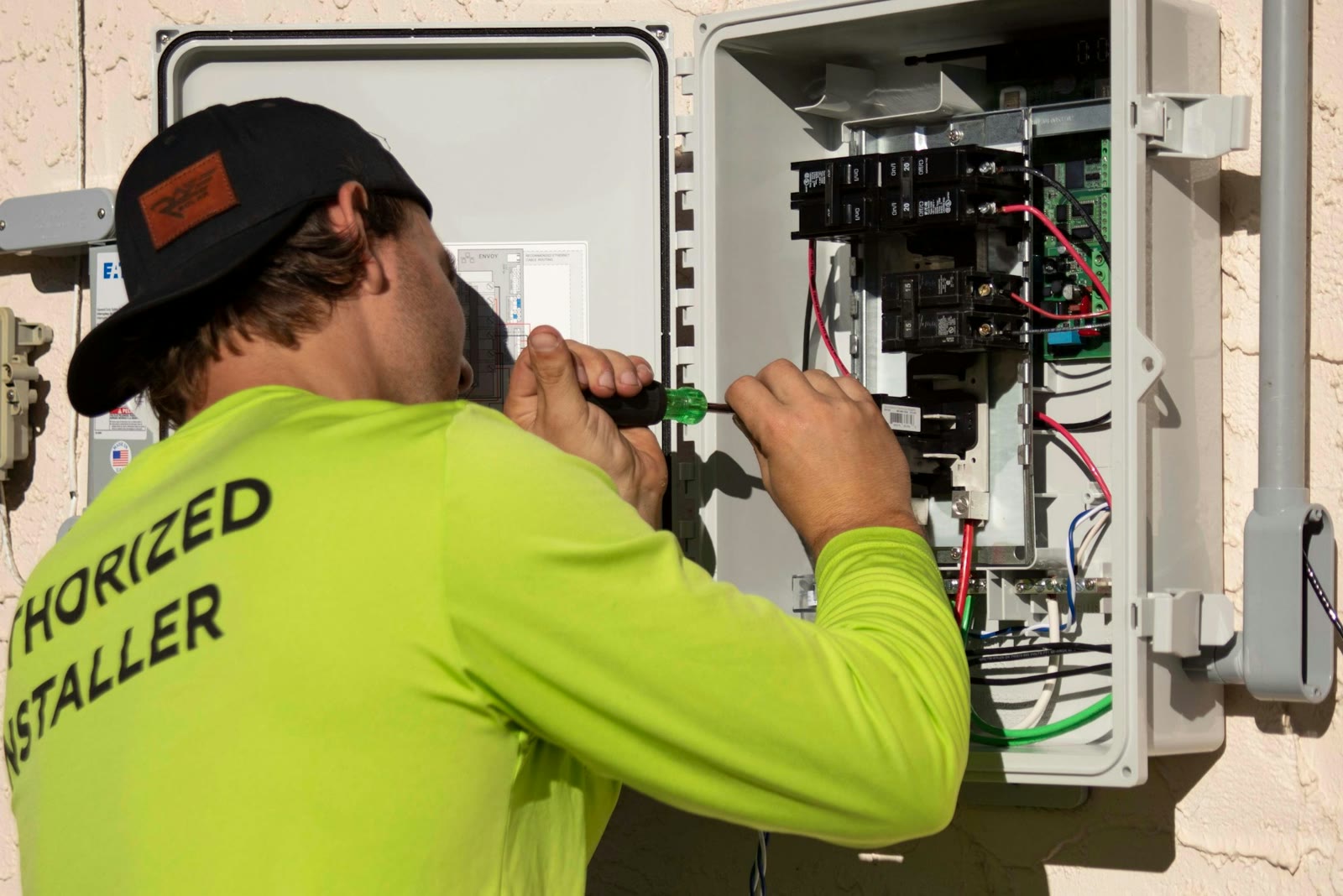
Photo by Raze Solar on Unsplash.
Want AI built into how your company runs?
I work as an embedded fractional Chief AI Officer for a handful of companies across Dallas-Fort Worth. The fit call is free and takes 15 to 30 minutes.