
Building DFW Farmers Markets: A Free Guide to Every Market in Dallas-Fort Worth
DFW Farmers Markets is a free guide to where every farmers market in Dallas-Fort Worth is, when it's open and what to expect. Here's why I built it, the business model I walked away from and where it's headed now.
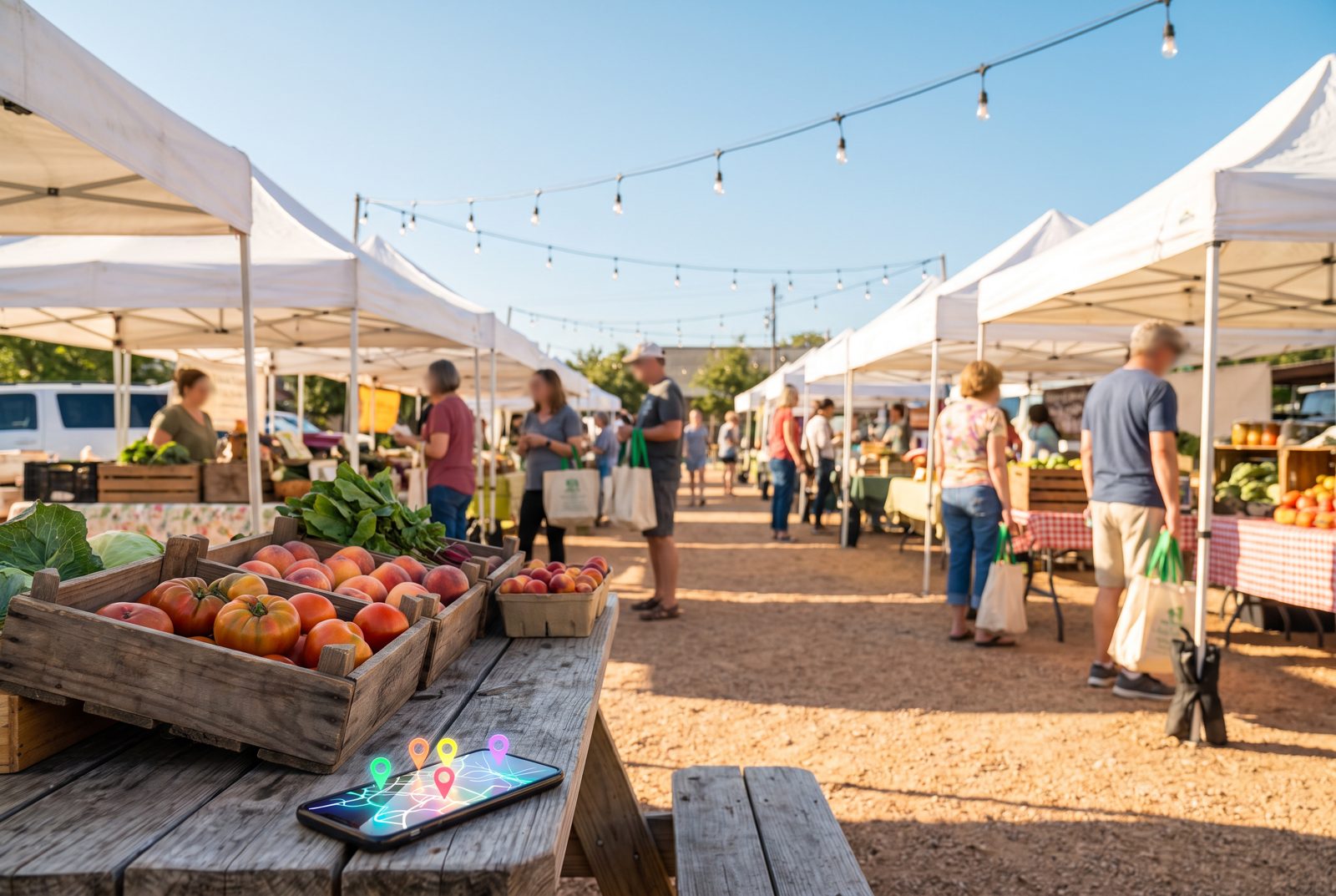
DFW Farmers Markets is a free guide to every farmers market in Dallas-Fort Worth: where each one is, what days and hours it runs and what to expect when you get there. It's built for shoppers who just want to know which market is near them and whether it's open this weekend.
This one has had more twists than any other Lab project, so this page is the honest version. I'll keep updating it as it grows.
Where it stands now
- Status: Building. The directory is live at dfwfarmersmarkets.com.
- What it does today: a directory of about 60 markets across Dallas-Fort Worth with locations, days and hours, plus guides on how DFW markets work.
- Direction: a free guide for shoppers. No charging vendors.
Why I built it
I know farmers markets from the vendor side of the table. My lemonade business, Boo Boo's, sets up at markets around DFW every weekend.
From there, you see the same thing over and over: people want to go to a farmers market, but finding good information is hard. Many markets are run by volunteers or small city teams doing their best. The details live on a Facebook page, an old website or a flyer. Hours change with the season. Some markets run every week, some once a month, and some quietly stop running.
There wasn't one place that just answered the basic questions: where are the markets, when are they open and which one should I go to this Saturday?
What I built
- A directory of about 60 DFW markets, each with its location, schedule and links.
- Real research on the details people ask about. For about 22 markets, I had agents dig into each market's own rules: whether everything is grown by the person selling it, how far vendors can travel, whether there's baked goods or meat, whether it takes SNAP and whether it runs year-round. Anything we couldn't confirm stays blank. It's never guessed.
- A blog of shopper guides, more than 20 articles, written to help people find markets and know what to expect.
- Market types. Some markets turned out to be artisan and craft markets rather than farmers markets, so they're labeled that way instead of being removed.
The research turned up a few surprises. Only a handful of DFW markets clearly advertise themselves as producer-only, where every seller grew or made what they're selling. And none advertise themselves as organic. That's the kind of thing shoppers assume and almost nobody checks.
The business model I walked away from
This was the first Lab project to clear my review panel, a set of independent AI reviewers that scores every idea before I build it. The original plan was for market organizers to pay to be featured.
Then reality showed up. Most organizers are volunteers or small teams who are stretched thin. They're not looking to pay for a listing, and many can barely keep their own page current. Later, I looked at a version where vendors would pay for a listing.
I said no to that. I've been the vendor paying booth fees, and I don't want to build something that takes more money from small vendors. That's not the kind of business I want to run.
So the direction now is simple: make it the best free guide to DFW farmers markets for the people who shop at them. If it ever makes money, it'll come from reaching shoppers, not from charging the vendors or the markets.
What I learned
- The hardest part isn't the website. It's the information. Markets change hours, skip weekends and close for the season, and the only notice is often a social media post. Keeping a guide accurate is the real job.
- Blank beats wrong. If we can't confirm a detail, we leave it out. A guide people can trust is worth more than a guide that looks complete.
- Not every idea needs to be monetized on day one. Some projects earn their place by being useful first.
What's next
- Keep every market's location, days and hours current, ideally with an agent that checks each market's own posts every week.
- Make it easier to answer "what's open near me this weekend?"
- Keep the guides growing.
Build log
- Stage 4, back to basics: decided it's a free guide for shoppers, with no charging vendors.
- Stage 3, the vendor idea: looked at vendor listings, then said no.
- Stage 2, research and guides: first-hand research on about 22 markets and more than 20 shopper guides.
- Stage 1, the directory: about 60 DFW markets in one place, the first project to clear my review panel.
Have information nobody can find?
A lot of businesses have the same problem these markets have: the information exists, but it's scattered, out of date and hard to trust. Pulling it together and keeping it current is exactly the kind of thing AI agents are good at. If that sounds like your business, request a free fit call.
Image generated with AI for Dynamic Buzz Labs.
Want AI built into how your company runs?
I work as an embedded fractional Chief AI Officer for a handful of companies across Dallas-Fort Worth. The fit call is free and takes 15 to 30 minutes.